



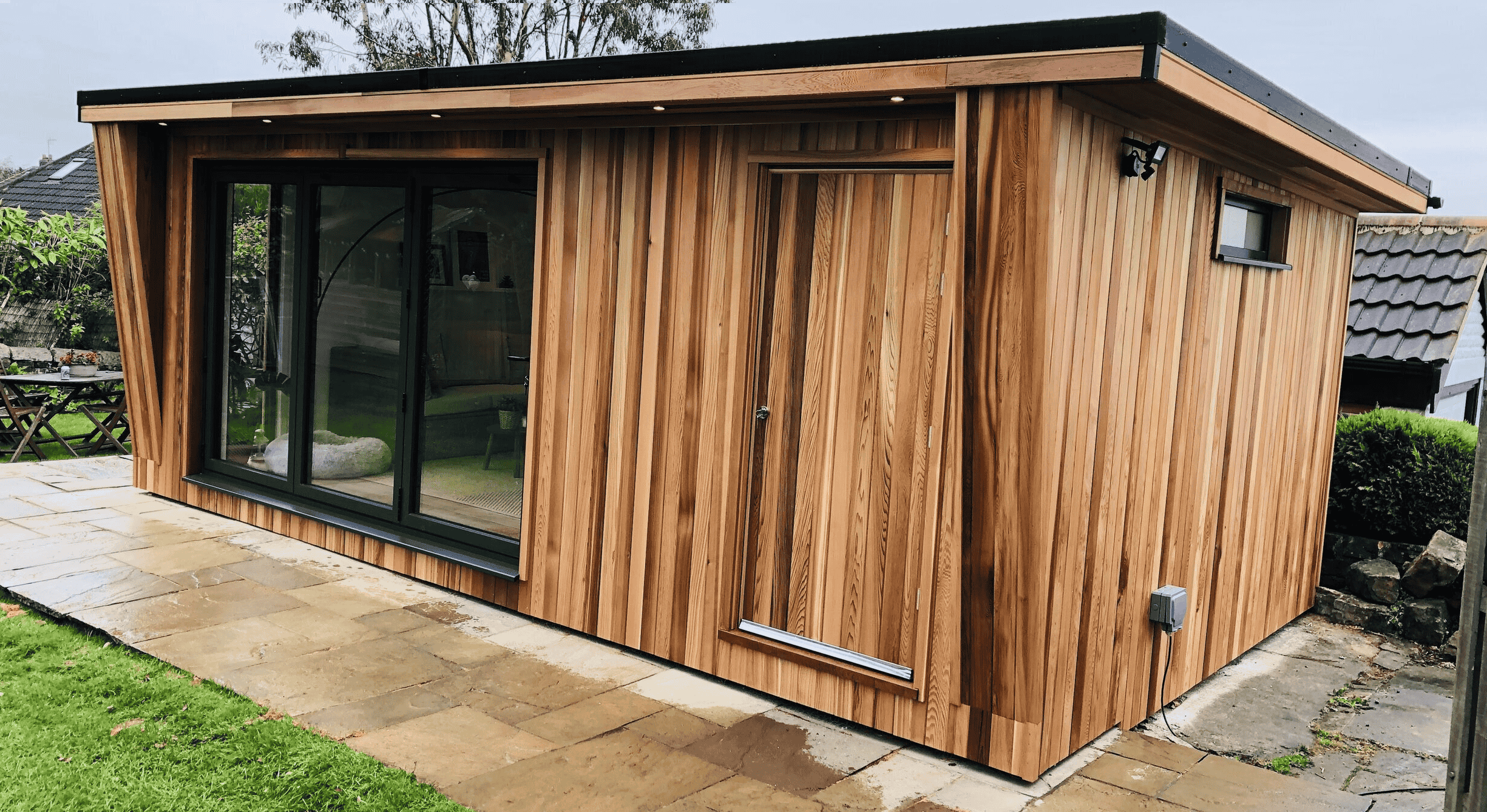
For many UK homeowners, renovating is now a more practical and cost-effective alternative to moving house. Our new study, based on a survey of 2,000 UK adults, reveals that 61% would consider building a garden room instead of relocating, reflecting a growing shift towards lower-disruptive ways to create extra space.
For many homeowners, running out of space isn’t just about square footage. One in five Brits (21%) say their home feels too small, while 20% need more storage and 14% say their property is energy inefficient.
With rising house prices, higher borrowing costs and the stress of relocating, moving is becoming more difficult to justify. As a result, more homeowners are choosing to upgrade their existing space instead.
In this article
Why is moving house considered stressful in the UK?
It’s not about bigger homes – it’s about smarter spaces
Is it cheaper to renovate or move house?
What are the property experts saying?
Why are garden rooms becoming popular in the UK?
Case study: How a new mother improved her life with a garden room
Why is moving house considered stressful in the UK?
Moving house has long been seen as the default solution when a property starts to feel too small. But while relocating may seem like the obvious route to gaining more space, the reality is often far more complicated.
Our research found that over half of homeowners (51%) describe relocating to a new area as very or extremely stressful. Meanwhile, 46% say selling a property is very or extremely stressful, and 42% say the same about buying a home.
These figures show that moving is not simply a practical or financial decision, but often one of the biggest and most disruptive life changes people can make. From arranging valuations and listings to navigating chains, mortgage changes and deadlines, the process can create stress long before anybody even starts packing boxes.

What housing decisions cause homeowners the most stress?
1. Relocating to a different area or region — 51%
2. Carrying out major structural work — 48%
3. Selling a property — 46%
4. Dealing with urgent repairs — 44%
5. Buying your first home — 42%
6. Downsizing to a smaller property — 38%
7. Remortgaging your home — 36%
8. Managing rising household bills — 34%
9. Renovating your bathroom – 33%
10. Upgrading your kitchen – 32%
The emotional burden of moving property appears to be pushing more households to explore alternative options that feel more manageable.
It’s not about bigger homes – it’s about smarter spaces
The findings highlight that homeowners aren’t necessarily looking for larger homes, but spaces that work harder for their lifestyle.

The six most in-demand uses for extra space include:
1. Storage – 17%
2. Entertaining space – 16%
3. Home office – 14%
4. Gym – 14%
5. Hobby space – 14%
6. Guest room – 13%
Storage tops the list, highlighting that many households simply want their homes to work more efficiently day to day. But there is also a strong desire for adaptable spaces to either socialise, work productively or pursue hobbies without taking over the rest of the house.
Generational differences also play a role. Younger Brits are more likely to prioritise flexible spaces with a third (30%) of 18-24-year olds looking for hobby spaces, while half (49%) of over 55s are more likely to favour storage. However, in both cases, households want rooms that serve a clear purpose and support how they live.
Is it cheaper to renovate or move house?
For many people, the emotional strain of moving is only part of the story. Cost is also a major factor in the decision between renovating and relocating.
According to the research, more than six in 10 (61%) of homeowners would consider building a garden room instead of relocating to gain extra space. Only 19% say they would not consider this, showing a clear preference for upgrading over moving.
While moving house costs around £13,000 on average, garden rooms typically range from £10,000–£30,000 - often avoiding higher mortgages, rising property prices and the stress that comes with relocating. With house prices and mortgage rates continuing to climb, moving can become far more expensive long term, making home upgrades a more predictable and less stressful alternative.
What are the property experts saying?
"A well-built and insulted garden room can typically add between 5% and 15% to a property’s overall value."
According to Robin Edwards, a property expert at Curetons, garden rooms can offer a generous long-term return: “A well-built and insulted garden room can typically add between 5% and 15% to a property’s overall value, especially in areas where extra space is at a premium. Buyers increasingly see high-quality garden rooms as a genuine extension of the home, particularly when they are wired for electricity and suitable for use as a home office, gym or guest space rather than simply a summer house.”
A carefully planned upgrade can help a property work better for a family while also supporting resale appeal later on. For households weighing up whether to stretch themselves financially for a move, that can be a very persuasive argument in favour of staying where they are and making targeted improvements instead.
Why are garden rooms becoming popular in the UK?
Garden rooms offer flexibility as they can be used for a range of purposes. For instance, they can serve as a home office, a guest space, and even a hobby or workout area.
They are often seen as more straightforward than other extension routes. In most cases, planning permission isn’t required under Permitted Development Rights, making them a quicker and less complicated option than a full extension or major structural work inside a home.
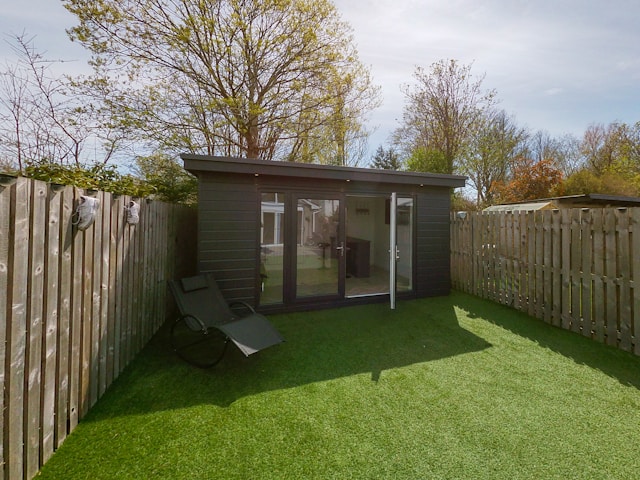
However, there are a few conditions to be aware of:
• Your garden room cannot be built in front of your property
• It must be single storey
• It should not cover more than 50% of your garden
• It cannot be used as a self-containing living accommodation
• The total height must not exceed 2.5 metres
Beyond practicality, garden rooms fit well with the growing desire for year-round, purposeful spaces. They don’t just add square footage but create a dedicated area that supports a specific need without reshaping the layout of the main home.
Garden rooms offer flexibility as they can be used for a range of purposes. For instance, they can serve as a home office, a guest space, and even a hobby or workout area.
They are often seen as more straightforward than other extension routes. In most cases, planning permission isn’t required under Permitted Development Rights, making them a quicker and less complicated option than a full extension or major structural work inside a home.
Case study: How a new mother improved her life with a garden room


Cheryl Crossley, 37, from Leeds, considered moving but found the numbers difficult to justify. Pregnant and in need of more space, Cheryl opted for a garden room home office, resulting in a spare bedroom and a better work life balance.
Estate agents advised [...] it could add as much as 15% to the property’s value, equivalent to roughly £50,000.
“We had our house valued at around £335k and explored the cost to move, around £20k, as well as the cost of a property with the extra space we needed, which was closer to £450k,” she says.
“We got quotes for garden rooms as an alternative, and even at the top end (£25k) it still made more financial sense to go down this route.”
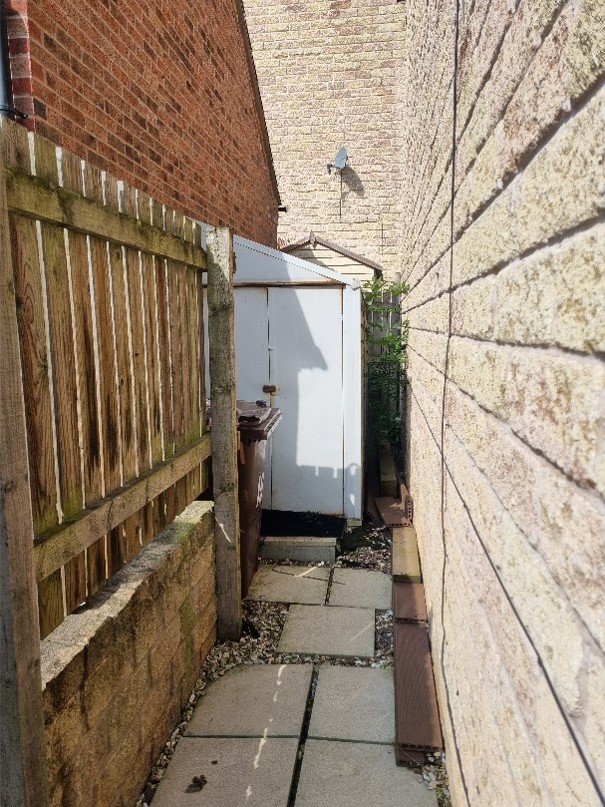
Before
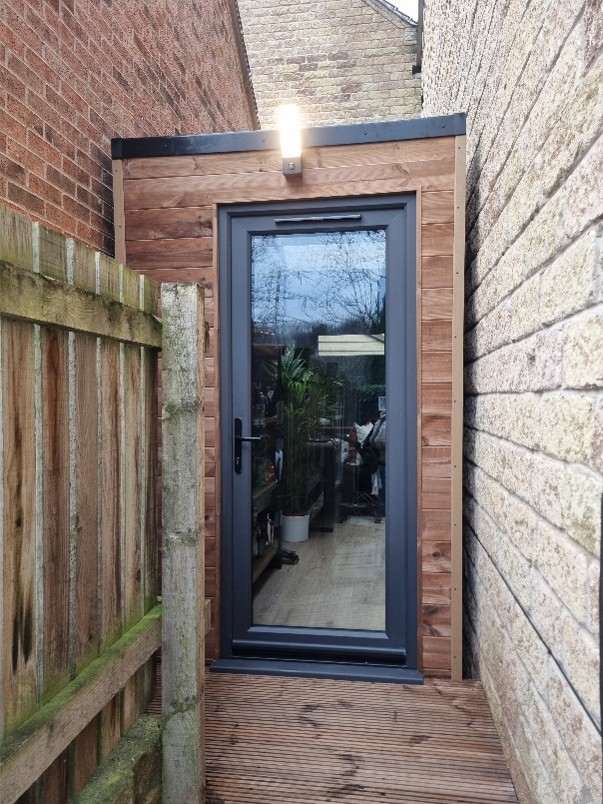
After
Cheryl ultimately spent around £13,500 on a garden room, compared with an estimated £20,000 in moving costs, alongside a potential jump in monthly mortgage payments from £800 to £1,300.
Estate agents advised that while the project may not deliver immediate profit, it would likely break even with some suggesting it could add as much as 15% to the property’s value, equivalent to roughly £50,000.
“We will still move at some point, but the garden room has probably bought us another three to four years here, which is great,” she adds.
The space is now used primarily as a home office but has evolved into a multi-functional area, also housing a plant space and occasional gym setup.
“It means we could turn our third bedroom into a nursery for our son and still work comfortably from home,” she explains. “I also love being able to close the door at the end of the day, it helps separate work and home life.”
Fitted with an electric radiator, the room can be heated independently, allowing Cheryl to control usage and reduce energy costs. “It’s more efficient and cost-effective for us, and even in winter it stayed warm and usable,” she says.
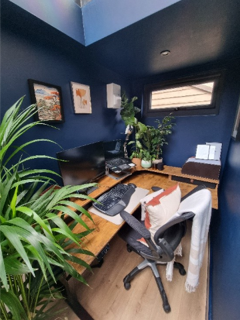
The space is now used primarily as a home office but has evolved into a multi-functional area, also housing a plant space and occasional gym setup.
“It means we could turn our third bedroom into a nursery for our son and still work comfortably from home,” she explains. “I also love being able to close the door at the end of the day, it helps separate work and home life.”
Fitted with an electric radiator, the room can be heated independently, allowing Cheryl to control usage and reduce energy costs. “It’s more efficient and cost-effective for us, and even in winter it stayed warm and usable,” she says.
How to keep warm in a garden room
Despite being a great option, garden rooms can feel cold in the UK because they’re often separate from the main house’s heating system and exposed to draughts, poor insulation, and fluctuating outdoor temperatures, especially during damp, windy weather.

Invest in a plug-in electric radiator for instant warmth
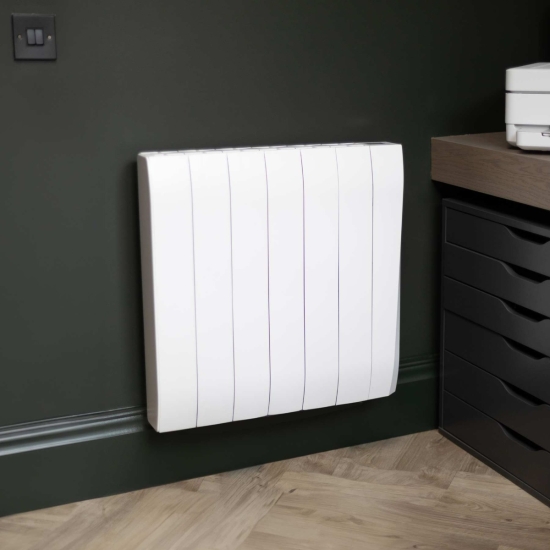
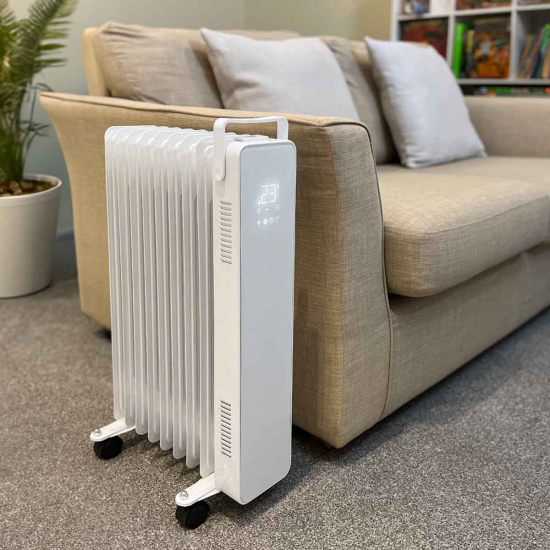
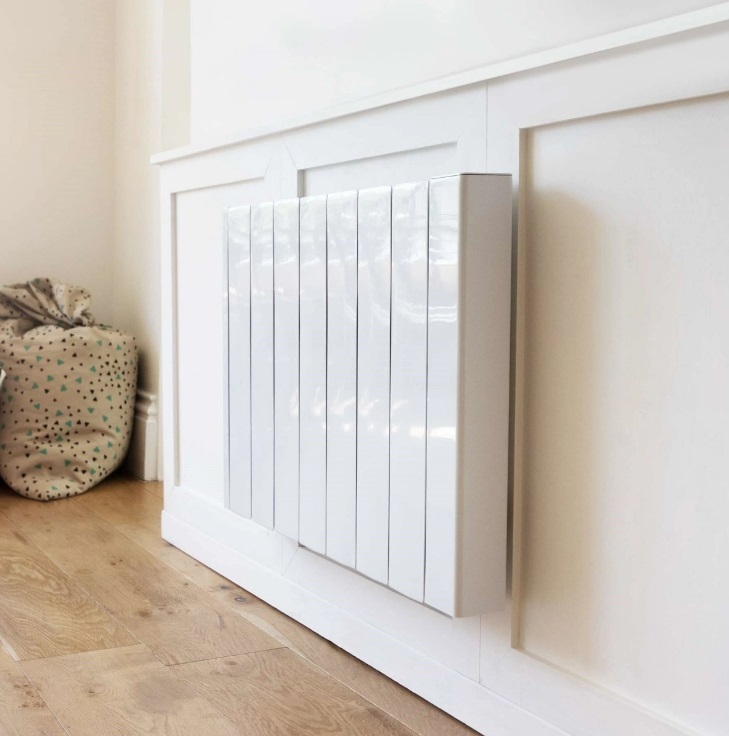
Electric radiators are the best solution to heat a garden room, they are simple, fuss-free, requiring no plumbing or complex installation - just plug in and go. They heat up quickly and provide consistent, controllable warmth, making them ideal for spaces used throughout the day.
Out top recommendations for heating garden rooms
Boost insulation to lock in heat
Even the best heater will struggle if heat is escaping. Make sure your garden room has proper insulation in the walls, floor, and glazing, and seal any draughts around doors and windows. This helps electric heaters work more efficiently, keeping running costs down while maintaining a cosy temperature.

Use soft furnishings to enhance comfort
Layering rugs, curtains, and upholstered furniture helps trap heat and prevent it from escaping through floors and windows. Combined with an electric heater, these additions create a warmer, more comfortable environment without needing to turn the temperature up.
A smarter way to create space at home
To summarise, the data shows that homeowners are rethinking what “more space” really means. For many, the goal is no longer simply to move to a bigger house, but creating a home that works harder, feels more flexible, and supports everyday life more effectively.
The shift explains why practical improvements are resonating so strongly. Whether it’s converting an underused room, improving storage, building a garden room or creating a dedicated workspace, smaller upgrades can often deliver the right balance of comfort, affordability and control.
So, if you're planning a garden room, don't overlook the importance of year-round comfort. A high-quality electric radiator can provide efficient, reliable heating, helping you make the most of your space in every season. Explore our collection of plug-in electric radiators to find the perfect heating solution for your garden room and create a space you'll enjoy all year round.
Methodology
Survey of 2,000 UK adults, conducted in May 2026

